Current Sabbath: Lughnasadh (Lammas)
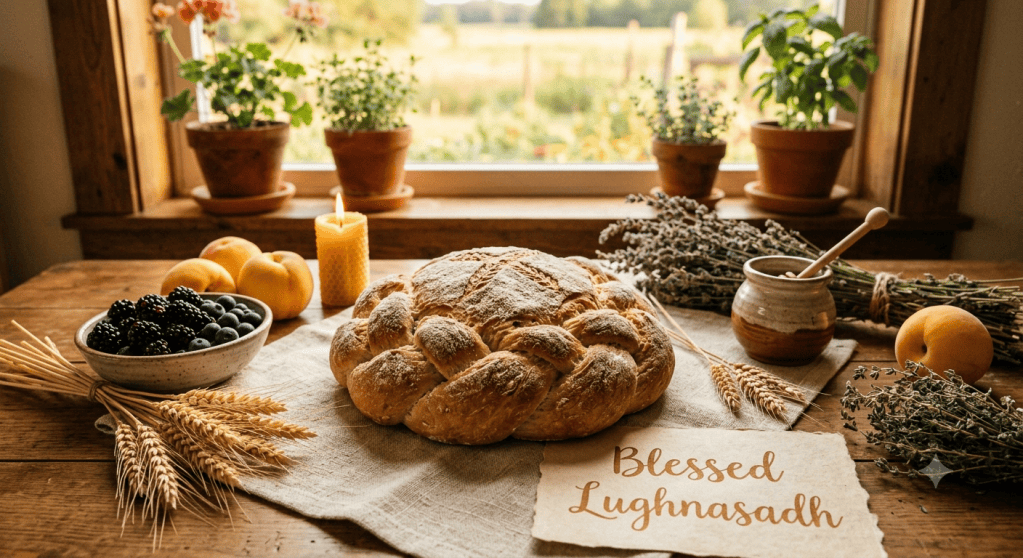
As the golden heat of August settles over the land, we are pausing to honor Lughnasadh (Lammas)—the ancient festival marking the very first harvest of the season. It is a time for slowing down and offering deep gratitude for the abundance gathered from our gardens, the strength of our hands, and the nourishment provided by the earth. In the spirit of old tradition, we are celebrating by baking a fresh loaf of artisan bread, harvesting our late-summer herbs, and giving thanks for the seeds planted months ago that have now blossomed into fruit. May your home be filled with warmth, comfort, and the rich blessings of this first harvest.
History & Facts of the Sabbath:
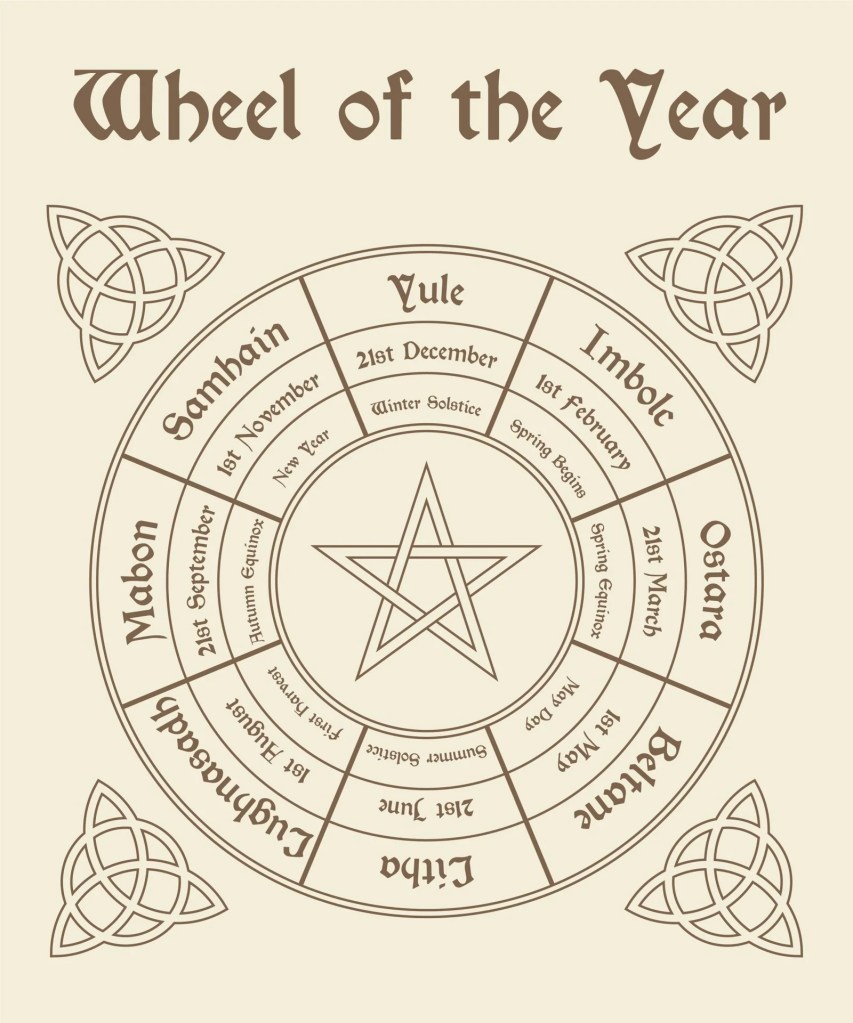
Ancient Celtic Roots: Lughnasadh (pronounced Loo-nah-sah) is one of the four cross-quarter festival days in the medieval Irish calendar, alongside Samhain, Imbolc, and Beltane. It marks the midpoint between the summer solstice and the autumn equinox.
Named After a Deity: The festival is named after the Irish Celtic god Lugh (a deity associated with light, oaths, and master crafts). Ancient lore states that Lugh established the festival as funeral games to honor his foster mother, Tailtiu, who died from exhaustion after clearing the plains of Ireland for agriculture.
The Tailteann Games: Historically, the holiday was celebrated with massive assembly games called the Tailteann Games in County Meath, Ireland. These featured athletic competitions, horse racing, sword fights, and artistic performances, similar to the ancient Greek Olympic Games.
Trial Marriages: During the ancient Lughnasadh gatherings, “handfastings” or temporary trial marriages were famously performed. Couples could hold hands across a hole in a wooden door; if they decided the union wasn’t working after a year and a day, they could return to the same spot and officially walk away in opposite directions.
The First Sheaf: The core agricultural tradition was the cutting of the first sheaf of corn or wheat. The grain was milled and baked into the first loaf of bread of the harvest season, which was then blessed. This tradition gave rise to the Anglo-Saxon Christianized name Lammas, which translates to “Loaf Mass” (hlafmæsse).
Ritual Offerings on High Places: Traditionally, communities climbed local hills or mountains (such as Croagh Patrick in Ireland) to gather bilberries, feast, and make offerings of the first fruits to ensure the remainder of the autumn harvest would not be spoiled by frost or rain.

