The urge to trade glowing pixels for physical pages is louder than ever these days. We live in an era of hyper-connectivity, where our attention is the world’s most aggressively mined commodity. Every notification chime, algorithmic feed update, and red badge is engineered to hijack our dopamine pathways, leaving us perpetually stimulated but profoundly exhausted.
Choosing to transition from a modern, digitally saturated lifestyle to an intentionally analog one isn’t about cosplay or performing a retro aesthetic. It is a radical act of reclaiming your mind, your time, and your direct experience of the physical world.
Here is what happens when you step out of the digital current, and why the trade-off is worth every minor inconvenience.
Reclaiming the Depths of Concentration
The most immediate benefit of an analog shift is the restoration of your attention span. Modern life trains us to multitask, but what we are actually doing is “context switching.” Every time your eyes dart from a document to a text preview, your brain incurs a cognitive penalty.
When you make the choice to switch back to analog tools—writing a journal with a fountain pen, reading a hardcover book, or tracking your day in a paper planner—the physical medium imposes an intentional boundary. A paper notebook does not have tabs. It cannot notify you that someone replied to a thread. It simply sits there, demanding your presence. Over time, this lack of distraction allows your mind to enter a deep “flow state” that digital interfaces constantly interrupt. You begin to notice that you can read for an hour without checking your pocket, a superpower in the modern economy.
Breaking the Dopamine Loop
Digital platforms are designed around variable rewards—the same psychological mechanism that makes slot machines addictive. You pull down to refresh a feed, not knowing if you will get a boring update or an exciting notification. This loop keeps your nervous system in a state of low-grade, chronic alertness.
Analog life; however, operates on a different, slower cadence. When you listen to a vinyl record instead of streaming a playlist, you are forced to sit with a curated sequence of music. You have to get up, flip the record, and look at the jacket art. This friction is actually a gift; it removes the paradox of choice. By replacing instant digital gratification with slow, tactile experiences, your baseline dopamine levels stabilize. You stop craving constant novelty and begin to find deep satisfaction in quiet, unmonitored moments.
The Permanence of Tangible Memory
In our modern life, our memories are hosted in the cloud. We take thousands of photos that we rarely look at, entrust our thoughts to note-taking apps, and let algorithms curate our past. But there is a distinct emotional poverty to a life stored entirely on a server.
An analog life leaves a physical footprint. A leather-bound journal sitting on a shelf holds the actual pressure of your hand against the page. A photo printed and tucked into a frame carries a weight that a digital file never can. These artifacts age with us; they get scuffed, faded, and worn. They become heirlooms rather than data points to be sold to advertisers.
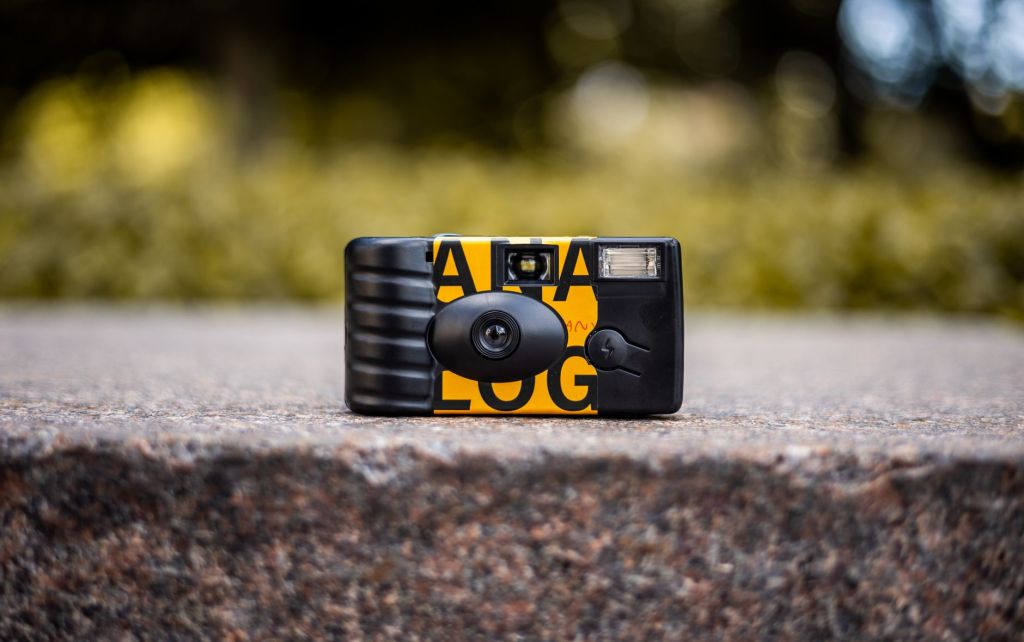
One of my fondest memories, is a time when visiting the zoo with my grandparents. There were no high-tech phones or cameras; only a disposable camera and a strong urge not to mess up the pictures I took as to not waste the film. A feeling most kids these days will never understand.
How to Begin the Transition
You do not need to move to a cabin in the woods or throw your smartphone into a river to reap these benefits. An analog life is built on deliberate micro-choices:
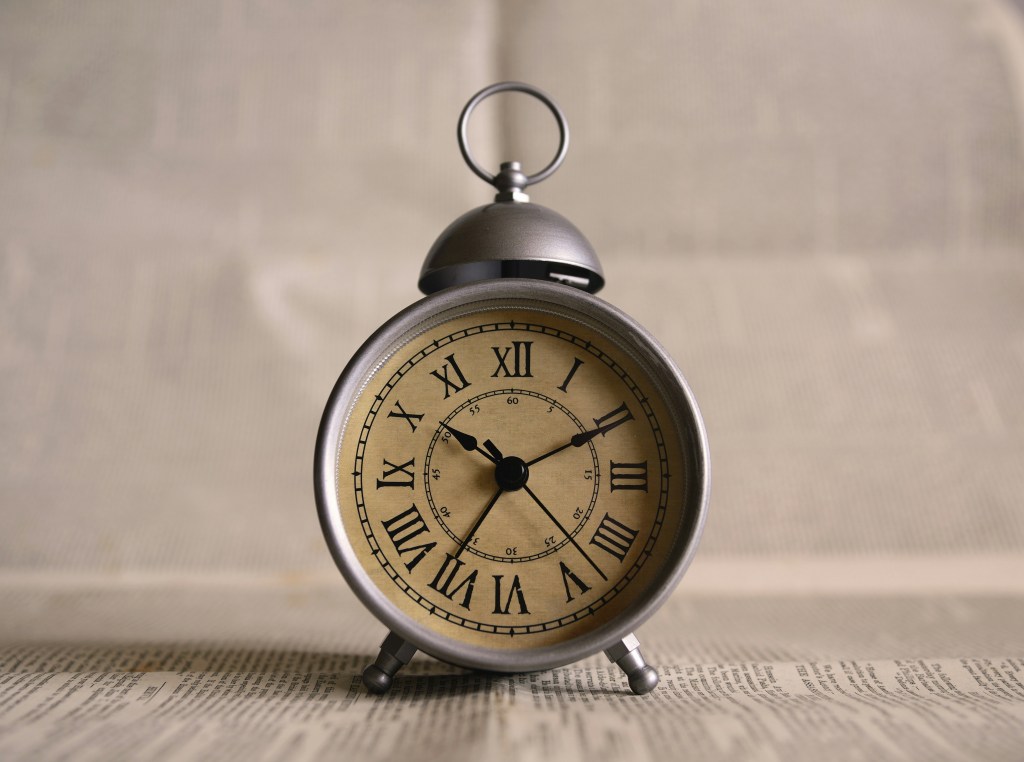
- The Analog Morning: Keep your phone out of the bedroom. Wake up to a dedicated alarm clock and spend your first hour with a cup of coffee and a book, not a screen. In fact, Shawn and I keep our phones in our designated “phone basket” by our front door. If anyone needs to contact us for emergency purposes, they know to call our house phone.
- Tactile Tracking: Use a paper calendar or a bullet journal for your tasks. The act of physically crossing off a task provides a concrete sense of completion. We personally use small memo/composition notebooks that we can carry either in our pockets or in our car.
- Mono-tasking Enclaves: Designate spaces in your home—like the dining table or a specific reading chair—as permanent device-free zones. For us, our zones include the dining area and our bedroom. Eliminating the use of electronics in our bedroom allows for better rest and relaxation. Instead of watching a television, we read books or talk about our plans for the next day or upcoming week. The dining area is where we come to enjoy good food and good company.
In short, switching to an analog life is ultimately a vote for quality over velocity. It is an acknowledgment that the best parts of human existence cannot be optimized, streamlined, or downloaded. By stepping back from the screen, you aren’t missing out on the world; you are finally showing up for it.
With Warm wishes & Simple pleasures,
The Buttermilk & Burlap Family


Leave a comment