Long before modern pharmacies lined our street corners, the kitchen hearth and the backyard garden were the center of family healthcare. Generations of folks relied on the timeless wisdom of the earth—using leaves, roots, flowers, and barks to soothe everyday ailments, boost immunity, and bring the body back into balance. Being Indigenous, this concept still holds true for myself and my family.
If you have ever wanted to step away from synthetic bottles and reconnect with these old-fashioned heritage skills, welcome. Learning natural remedies doesn’t mean you have to become an expert botanist overnight. It simply starts with curiosity, observation, and a few humble ingredients.
Here is where I will help you begin your journey into natural medicine safely and confidently.
1. Start with the “Kitchen Remedies”
You don’t need to forage deep in the wilderness to find your first remedies; your spice rack and pantry are already filled with powerful plant medicine.
- Ginger: Unmatched for settling an upset stomach, easing motion sickness, or warming up the body during a winter chill.
- Raw Honey: A natural antibacterial powerhouse. A spoonful can coat a sore throat, calm a nagging cough, or serve as a soothing salve for minor scrapes.
- Garlic: Known traditionally as a potent immune booster to help fight off seasonal bugs.
2. Meet Three Essential Beginner Herbs
When you are ready to expand into dried herbs and teas, start by getting to know just two or three plants intimately rather than buying dozens at once.
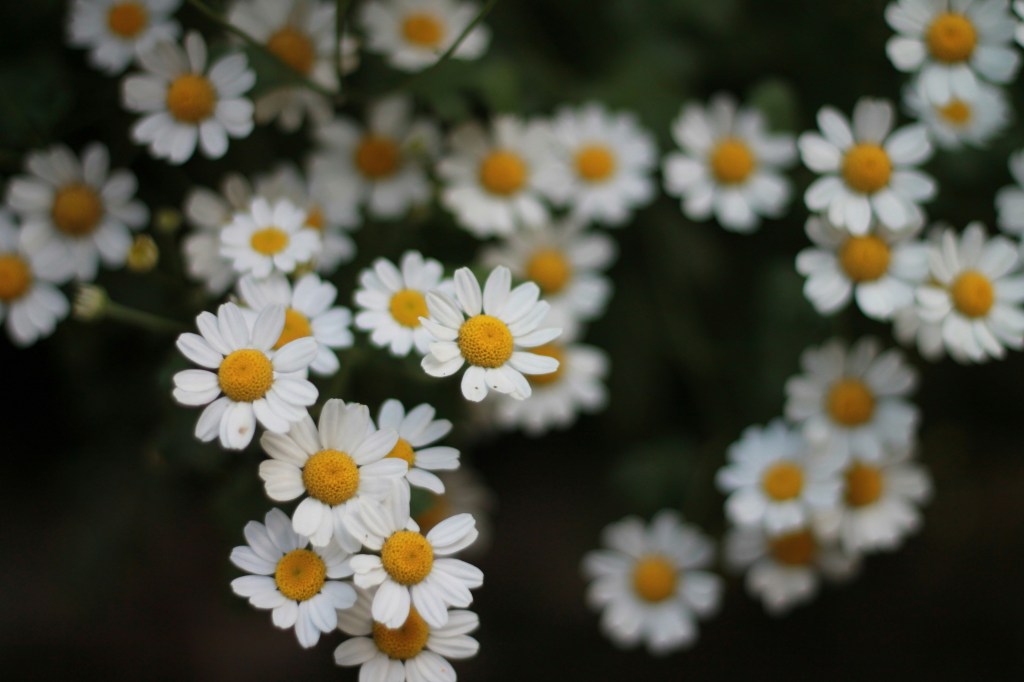
- Chamomile: Far more than just a sleepytime tea, chamomile is a gentle nervous system relaxant that helps calm anxiety, ease tension headaches, and soothe fretful children.
- Peppermint: Excellent for cooling down a feverish feeling, opening up congested airways, and lifting mental fatigue.
- Calendula (Marigold): The ultimate skin healer. Infusing these golden petals into an oil creates a beautiful, gentle salve for dry skin, rashes, and minor burns.
3. Focus on Simple Preparations
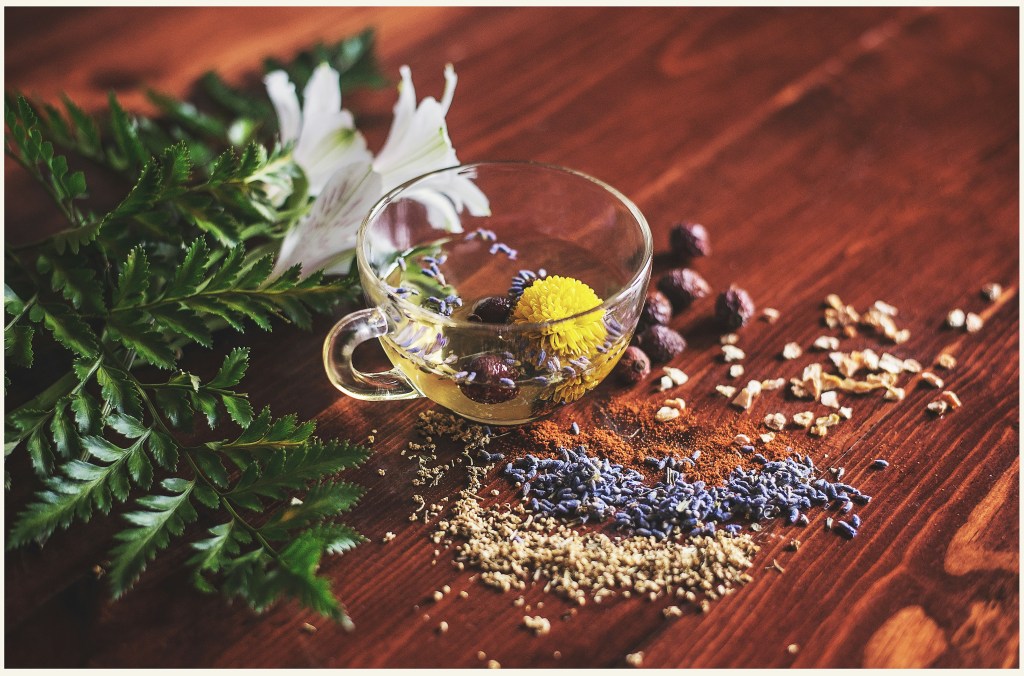
You don’t need complicated laboratory equipment to make plant medicine. As a beginner, focus on mastering the simplest method: The Herbal Infusion (Tea).
To make an infusion: Place 1–2 teaspoons of dried herbs in a jar, pour boiling water over them, cover tightly with a lid (to trap the therapeutic essential oils), and let it steep for 10 to 15 minutes before straining.
4. The Golden Rules of Herbal Safety
Marrying traditional wisdom with modern common sense ensures your home apothecary remains a safe haven:
- Identify with 100% Certainty: If you are foraging or picking plants from your yard, never consume something unless you are absolutely, undeniably certain of what it is.
- Quality Matters: Always source your dried herbs from trusted, organic suppliers to ensure they are free from harmful pesticides and heavy metals.
- Listen to Your Body: Start with small amounts. Everyone is unique, and just like food, a plant that works wonders for one person might not agree with another.
A Note from the Hearth: We are passionate about sharing the history, beauty, and tradition of heritage skills and herbalism, but we are not medical doctors. The information shared on our channel and in our posts is for educational purposes only and has not been evaluated by the FDA. Every individual’s body, health history, and needs are completely unique. Before beginning any new natural remedies, herbal teas, or concentrated tinctures—especially if you are pregnant, nursing, taking prescription medications, or managing a chronic condition—please consult with your primary care physician or a qualified healthcare professional.
Warm Wishes & Happy Learning!
The Buttermilk & Burlap Family


Leave a comment